Inventing a sustainable future.


Our latest press releases
-
 Read moreAdam Peters, CEO for Air Liquide North America, joins the Group Executive CommitteeApril 25, 2024
 -
 Read moreAir Liquide continues its trajectory with another solid quarter, combining sales growth, performance improvement and investment momentumApril 24, 2024
 -
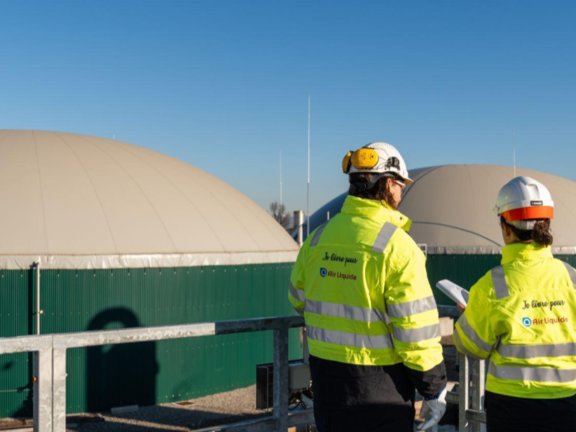 Read moreAir Liquide further develops its biomethane capacities in the U.S. with two new production unitsApril 10, 2024
 -
 Read moreAir Liquide strengthens its Home Healthcare activity with an acquisition in Belgium and the NetherlandsApril 09, 2024
 -
 Read moreOfficial Hydrogen Supporter Air Liquide is supporting athletes ahead of the Olympic and Paralympic Games Paris 2024April 05, 2024
 -
 Read moreAvailability of the Pre-Q1 2024 Sales CommunicationApril 02, 2024
 -
 Read moreIn readiness for the Olympic and Paralympic Games Paris 2024, the Air Liquide hydrogen station located at Place de l’Alma sports a new lookMarch 28, 2024
 -
 Read moreCombined General Meeting on April 30, 2024: publication of the notice of MeetingMarch 20, 2024


We are a world leader in gases, technologies and services for Industry and Health
Our 67,800 employees serve more than 4 million customers and patients

