Why is air transparent? Why do stars shine? Why does ice float? Whether it is during a sleepless night, while folding laundry or to answer one of the many interrogations from our little kids, we have all asked ourselves these kinds of questions. Air Liquide called science to the rescue.
Watch our videos to discover the answers and boost your general knowledge!
-
Not everything is as clear-cut as it seems. Manufacturing a smartphone requires the use of many gases. But why?
A smartphone is an assembly of several high-tech components. Before it gets to you, it must go through multiple essential steps to work properly. To ensure optimal manufacturing of micro-components, a highly demanding purity environment is required.
Argon, Oxygen, and Nitrogen are used at most fabrication steps and to remove impurities. Micro-components are an assembly of highly complex 3D nanostructures.
To create these structures with very high precision, etching and deposition gases are used. Without the help of gases, all these steps would be difficult, if not impossible. And our favorite means of communication, just an illusion. Isn't that clear?
Why do smartphones need gas?
-
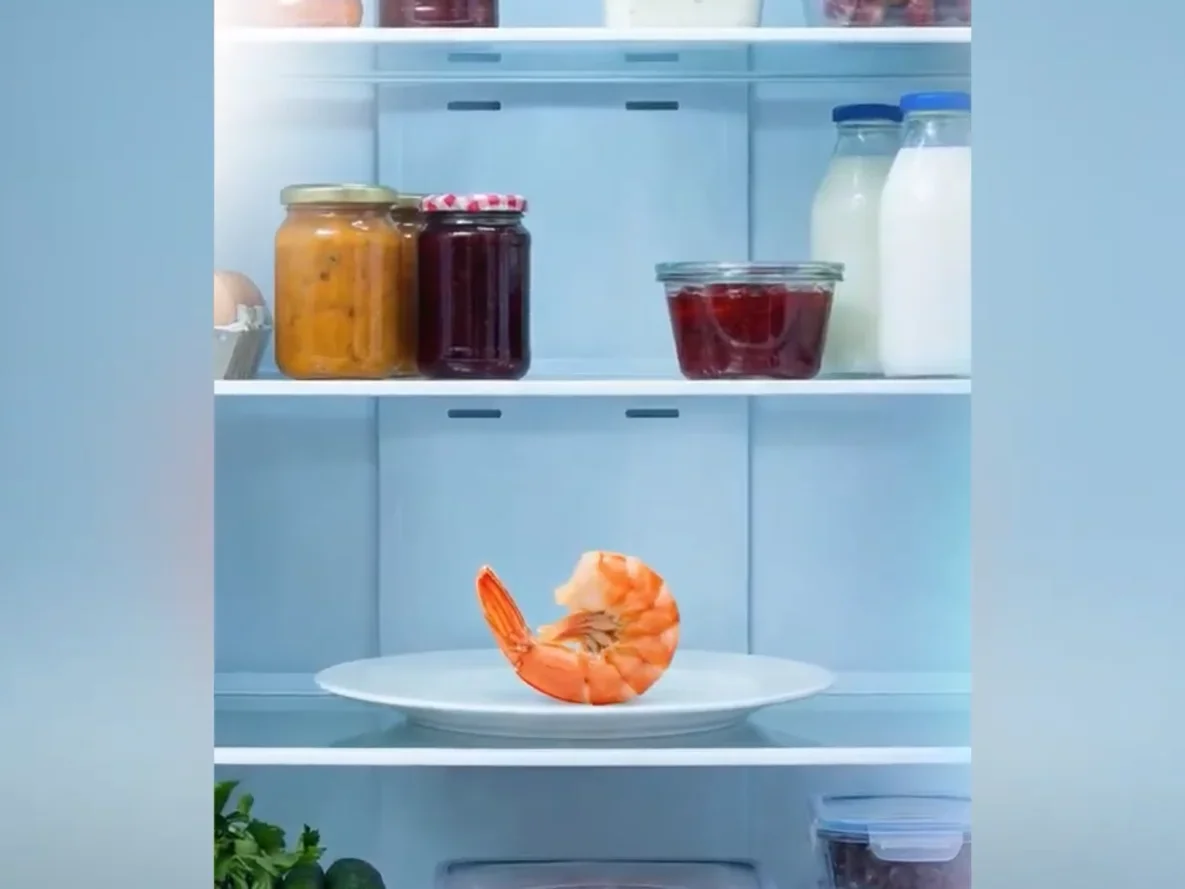
Not everything is as clear-cut as it seems. We know that food stays fresher when it’s kept cold. But why?
At room temperature, microorganisms like bacteria can be present on our food. And they can multiply very quickly, which causes food to spoil.
When food is exposed to cold temperatures, it’s a different story. These microorganisms don’t have time to develop because below 32°F or 0°C, the water contained in food starts to freeze. And water is essential for their survival.
Without available water, they can no longer multiply and their growth slows down. That’s why the food industry uses even colder temperatures than our home refrigerators to preserve food: this process is called cryogenic freezing.
Cryogenic freezing uses gases such as Liquid Nitrogen (LN2) or Liquid Carbon Dioxide (LCO2). Thanks to the properties of these gases, temperatures can drop extremely fast and reach very low levels.
This method helps preserve the texture, the taste, and the overall quality of food. And it works for all types of products. So in the end, cold doesn’t just make you feel chilly. Isn’t that clear?
Why does food stay fresher when kept cold?
-
Why does ice float?
Not everything is as clear-cut as it seems. You’ve seen it a thousand times. Ice floats, but why?
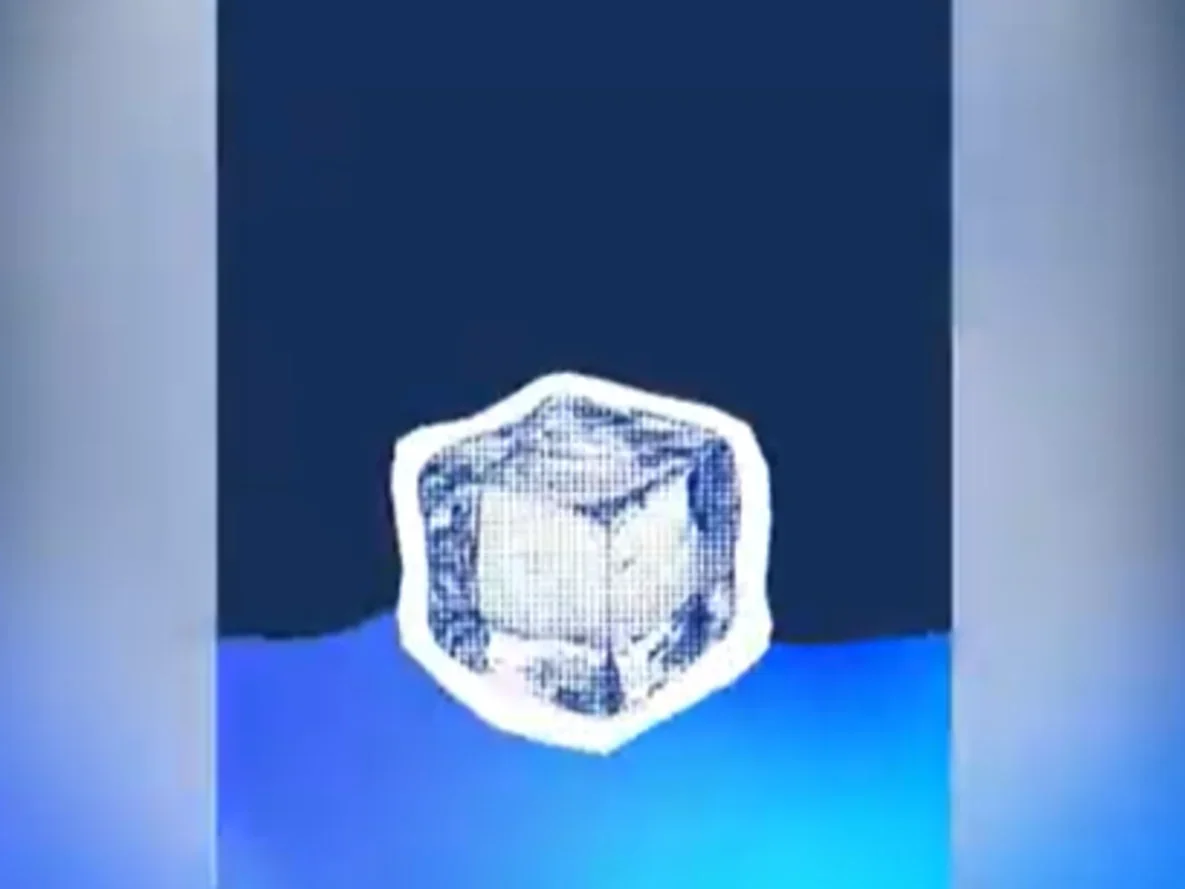
Water is a fascinating substance. Its formula H2O hides some unusual behaviors. Normally, when a liquid freezes, it becomes denser. But water does the exact opposite. When it goes from liquid to solid (we call that solidification), its molecules slow down and line up in a regular pattern that takes up more space. The same mass takes up more volume. And since, density = mass + volume, the density goes down. That’s why ice floats: it’s less dense than liquid water. A rare phenomenon in nature but essential for life under water. And Aquaman approves!
Isn’t that clear?
Why does ice float?
-
Not everything is as clear-cut as it seems.
Every day we look up and see the same thing, a blue sky. Well, most of the time.
But why?
Sunlight is actually a mix of all colors. When sunlight enters the atmosphere, it collides with tiny air molecules. And here's the trick. Short waves like blue scatter in all directions, while long waves like red continue downward.
This little magic trick even has a name: Rayleigh scattering. It's just good old science. That's why the sky looks blue most of the time and turns red and orange at sunset when the sunlight passes through more atmosphere, scattering the blue even more.
Without this effect, sunsets wouldn't be nearly as stunning. And Newton approves.
Isn't that clear?
Why is the sky blue?
-
Why do stars shine?
Not everything is as clear-cut as it seems. Luckily, science is there to shed some light. Stars are billions of kilometers away, and yet… we can see them with the naked eye every night. But why?
Well, a star is actually a massive ball of gas, mostly hydrogen. And deep inside this ball, it’s very hot, hot enough for hydrogen atoms to fuze together. This fusion releases an enormous amount of energy in the form of light and heat. It’s this natural nuclear fire that makes stars shine for millions, sometimes billions of years.
So next time you look up at the night sky, you’re actually looking at distant suns. Now your brain shines just as bright as the stars.
Isn’t that clear?
Why do stars shine?
-
Why is air transparent?
Not everything is as clear-cut as it seems. Air we go. Science to the rescue!
Air is everywhere. We can’t see it. But why?
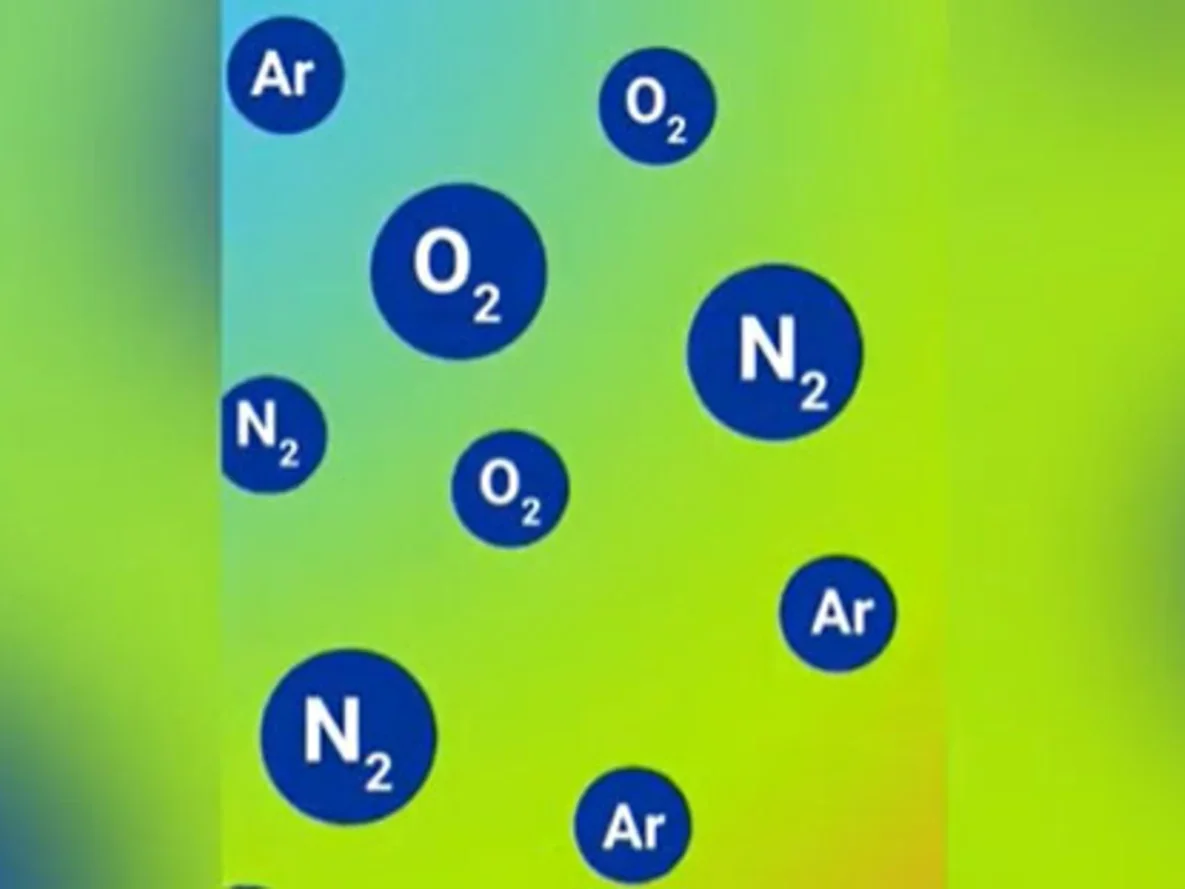
Air is a mixture of tiny molecules, mostly nitrogen and oxygen. These molecules are spaced far apart and move very fast. So they don’t block light. This is the opposite of stones. Like almost all solids, they are made of tightly packed molecules which block the light.
When it’s foggy, small water molecules disperse the light in all directions, making the air less transparent and therefore making it harder to see.
Under normal circumstances, air remains invisible simply because its molecules are too far apart to interact with light.
Isn’t that clear?
Why is air transparent?